

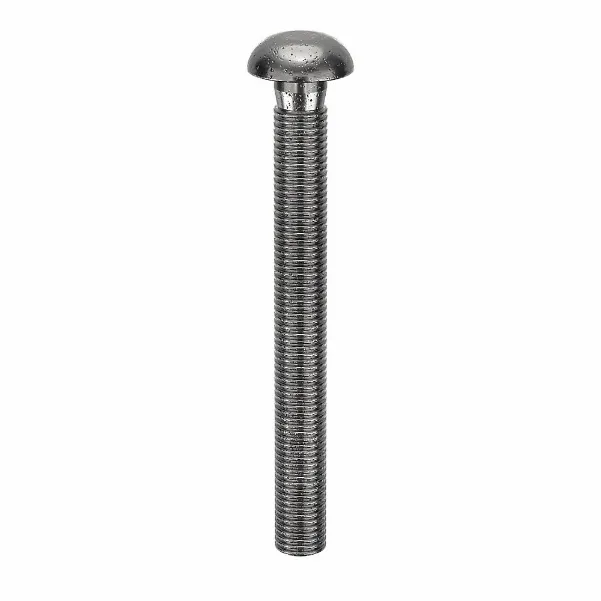
| Rivet Length | Head Dia. | Rivet Material | Mandrel Material | Single Shear Strength | Tensile Strength | Drill Size | Use With | Pack Qty | Price |
|---|---|---|---|---|---|---|---|---|---|
1.808" | 0.37" | Steel | Steel | 1300 lbs. | 1200 lbs. | #9 | 6NCX0, 6NCX2, 6NCX8 | 10 |
$5.04
|
2.385" | 0.37" | Steel | Steel | 1300 lbs. | 1200 lbs. | #9 | 6NCX0, 6NCX2, 6NCX8 | 10 |
$6.06
|
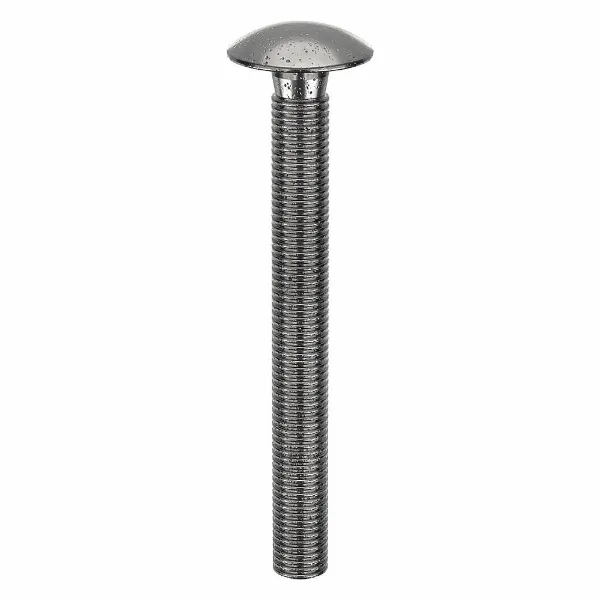
| Rivet Length | Head Dia. | Rivet Material | Mandrel Material | Single Shear Strength | Tensile Strength | Drill Size | Use With | Pkg. Qty. | Price |
|---|---|---|---|---|---|---|---|---|---|
1.808" | 0.469" | Steel | Steel | 1300 lbs. | 1200 lbs. | #9 | 6NCX0, 6NCX2, 6NCX8 | 10 |
$5.11
|
Description
Lockbolt break-pins blind rivets are fasteners used in industrial applications. They are a combination of a blind rivet and a lockbolt, providing superior strength and vibration resistance. The pin is inserted through the rivet body and is locked into place, forming a secure connection. The break-pin design also helps to reduce the risk of over-tightening, ensuring a consistent and reliable joint. These fasteners are ideal for applications that require a high degree of vibration resistance, such as in the automotive and aerospace industries. They are also widely used in the construction and manufacturing industries for their superior strength and reliability.
Frequently Asked Questions
Q. Special care, what should I do when encountering difficulties while drilling holes for blind rivets?
A. When drilling holes for blind rivets, it is important to take special care to ensure that the drill bit is the correct size for the blind rivet. If the drill bit is too small, the blind rivet will not be able to hold the object in place. If the drill bit is too large, the blind rivet will not be able to hold the object securely. To avoid these problems, use a drill bit that is specifically designed for blind rivets.
Q. What types of blind rivets are available and which is the right fit for me?
A. Blind rivets come in a variety of materials, sizes and styles. The most common types of blind rivets are aluminum, steel, stainless steel and monel. To determine which type of blind rivet is right for your project, consider the material of the object you are attaching, the size of the hole you need to drill, and the type of load the rivet will be carrying.
Q. What steps should I take for disassembly or repositioning the blind rivets during maintenance services?
A. To disassemble or reposition blind rivets during maintenance services, the first step is to ensure that the drill bit is the correct size for the blind rivet. Then, use the drill bit to drill a hole through the blind rivet. After the hole is drilled, use a flat-head screwdriver to unscrew the blind rivet from the object. Finally, use a pair of pliers to remove the blind rivet from the object.
Explore More
- FOREVERBOLT
- NEPHROS
- KEYSHAFT
- Screw Clamps
- Cable Protector Accessories
- Release Hooks
- Full-View Sight Flow Indicators
- Triangle Sanding Paper
- DIXON King Crimp Style Sleeves
- CEMENTEX USA Pant And Bib, 40 Cal.
- MUELLER INDUSTRIES 105MAT Silent Check Valves
- SMC VALVES Vk3000 Series Solenoid Valve
- MI-T-M M Series Industrial Two Stage Duplex Horizontal Air Compressors, 120 Gallon
- DESTACO 323 Series Pull Action Latch Clamps
- ML KISHIGO Contrasting Mesh Breakaway Vests, Lime
- IRONCLAD Workforce All Purpose Use Gloves
- MUELLER INDUSTRIES 595 UL Fireline Strainers
- MUELLER INDUSTRIES 792F Duplex Basket Strainers

 ChatMRO