
Self Drilling Screws(354 Products)
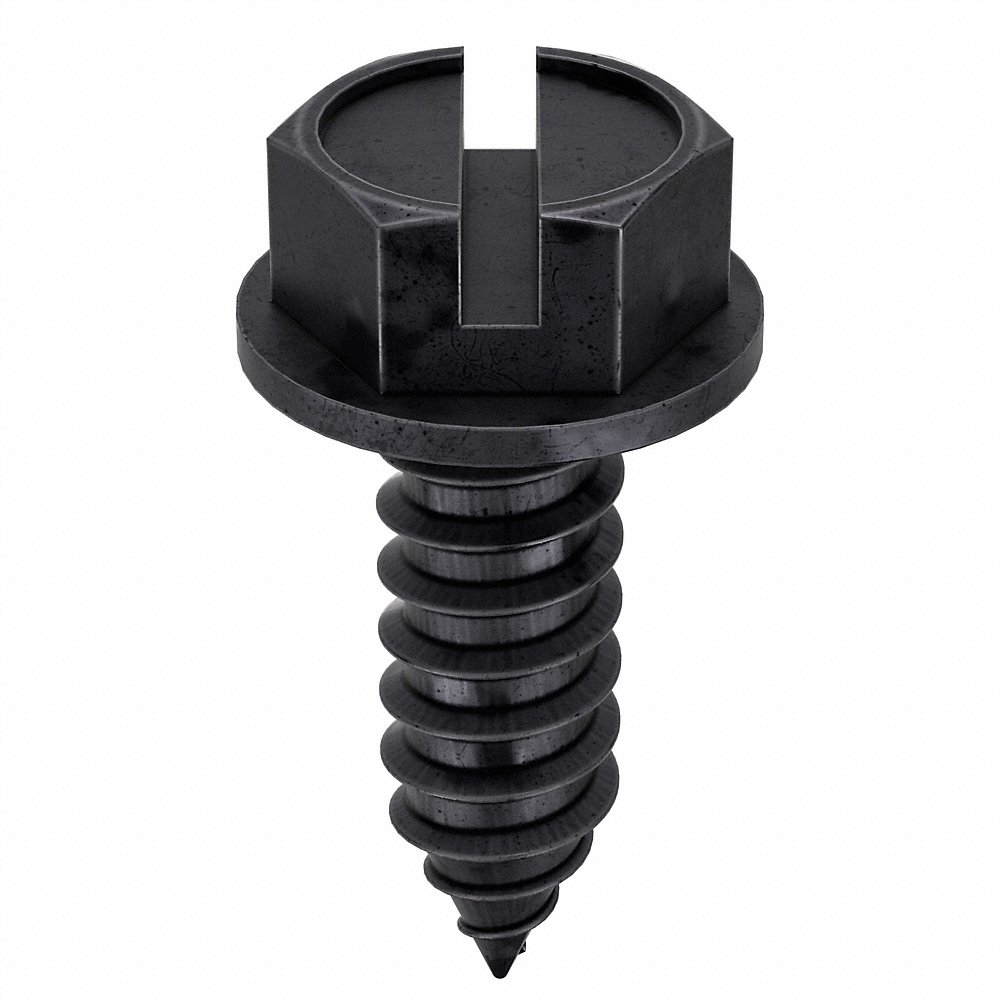
Black E-Coat Steel (1 item)
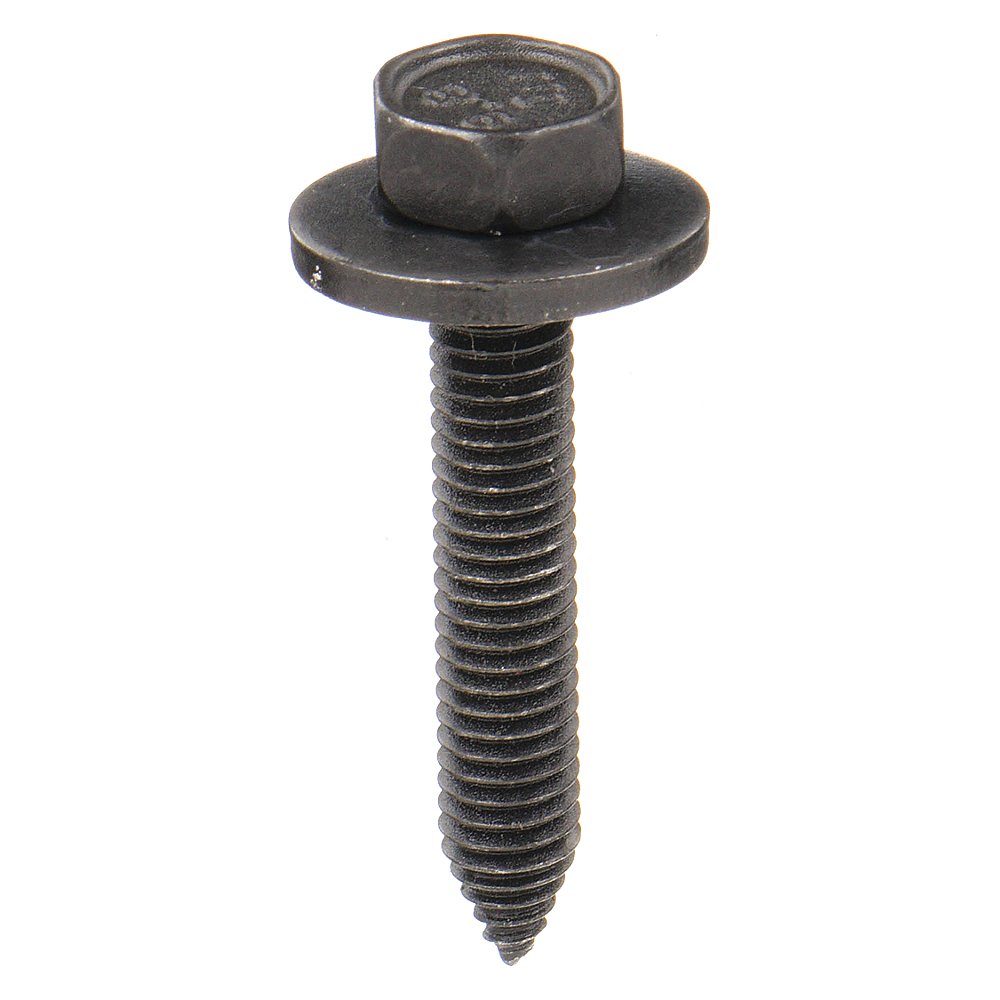
Black Phosphate Steel (4 items)
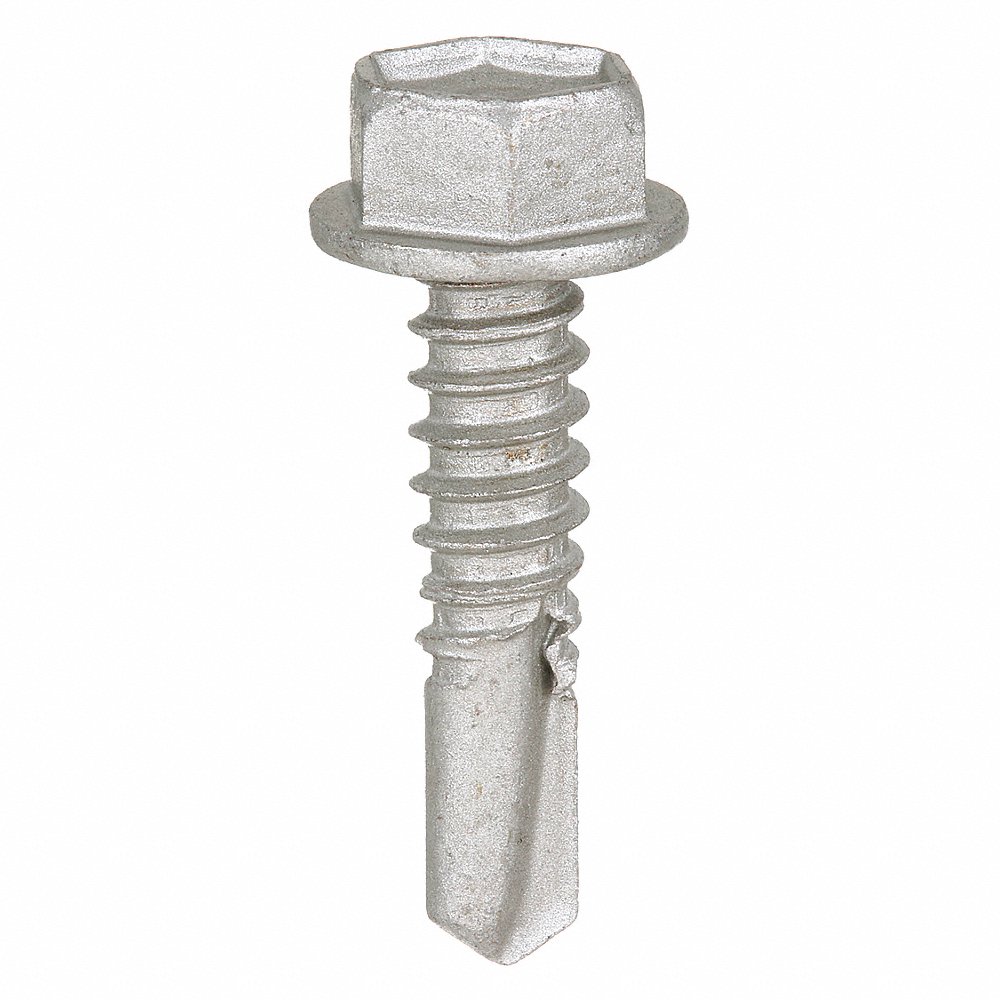
Climaseal Steel (57 items)
Dacromet 320 Steel (1 item)
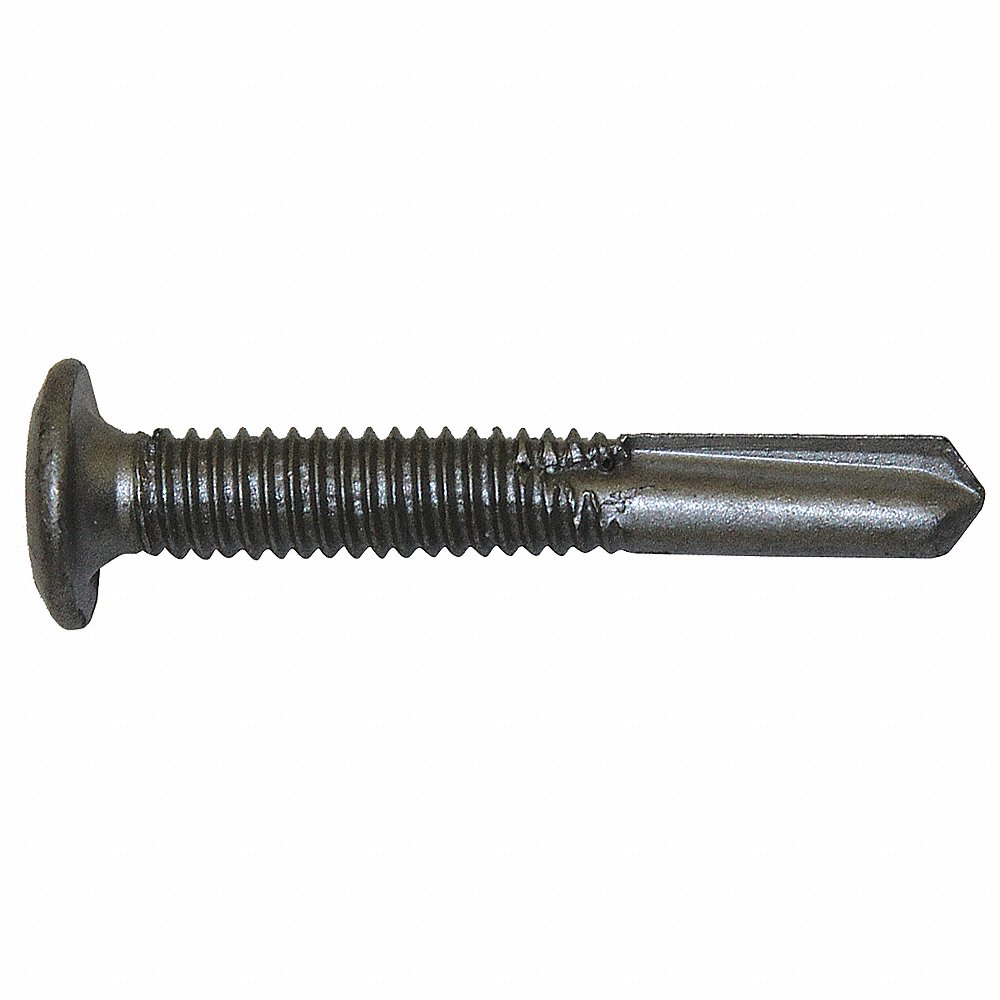
Galvanized Steel (1 item)
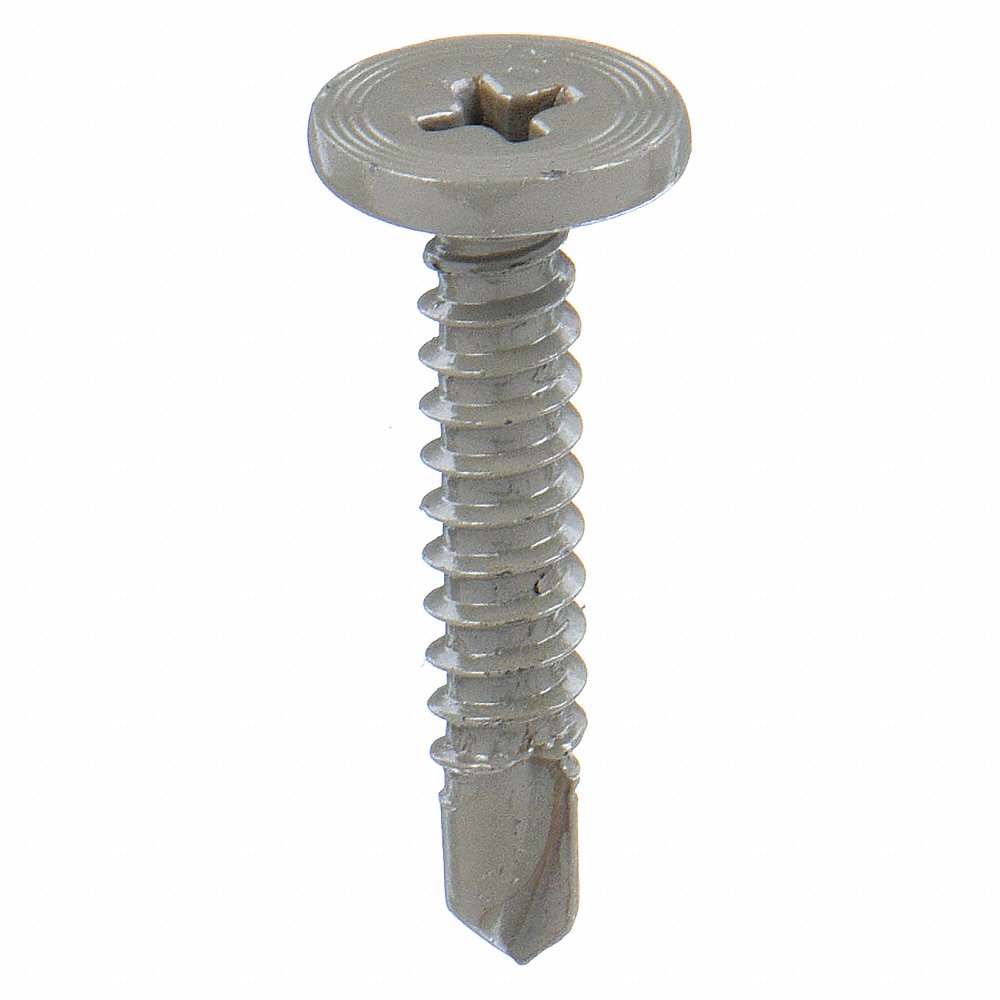
Gray Spex Steel (2 items)
Miscellaneous Self Drilling Screws (6 items)
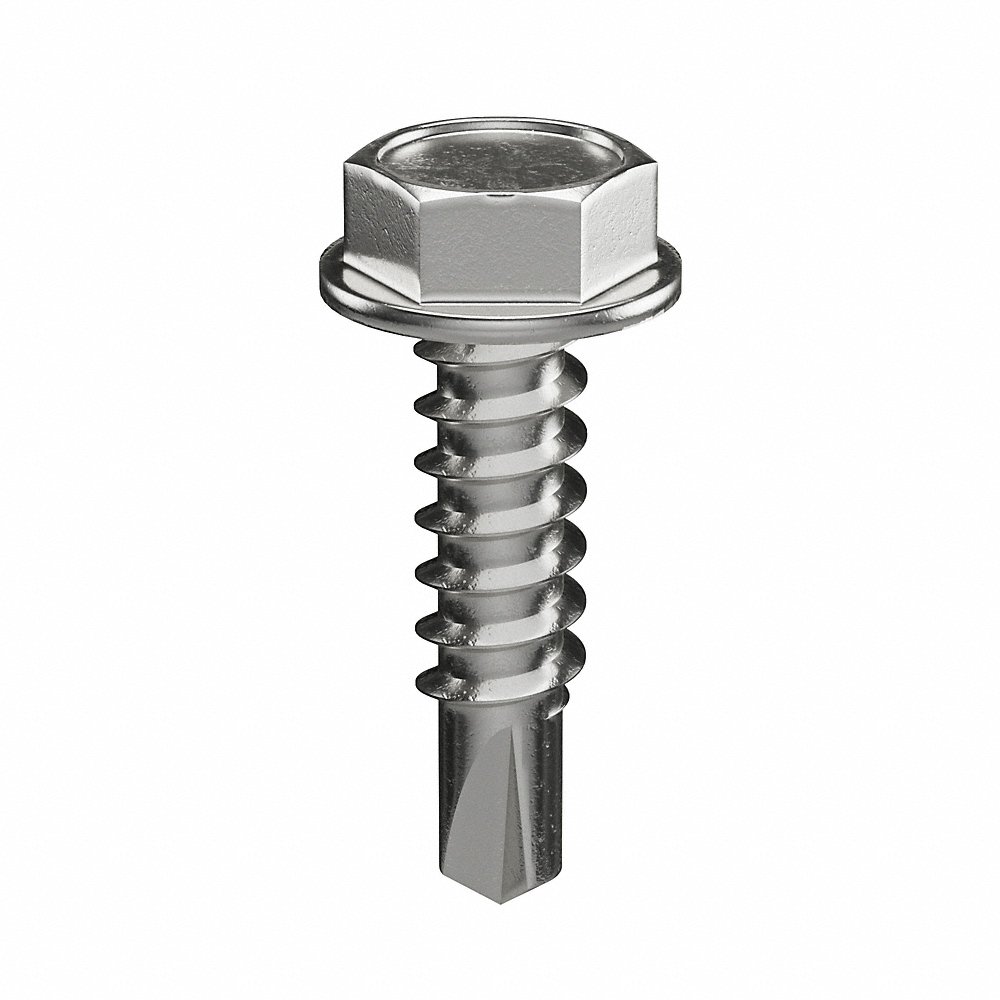
Plain Stainless Steel (64 items)
Zinc Plated Steel (139 items)
Description
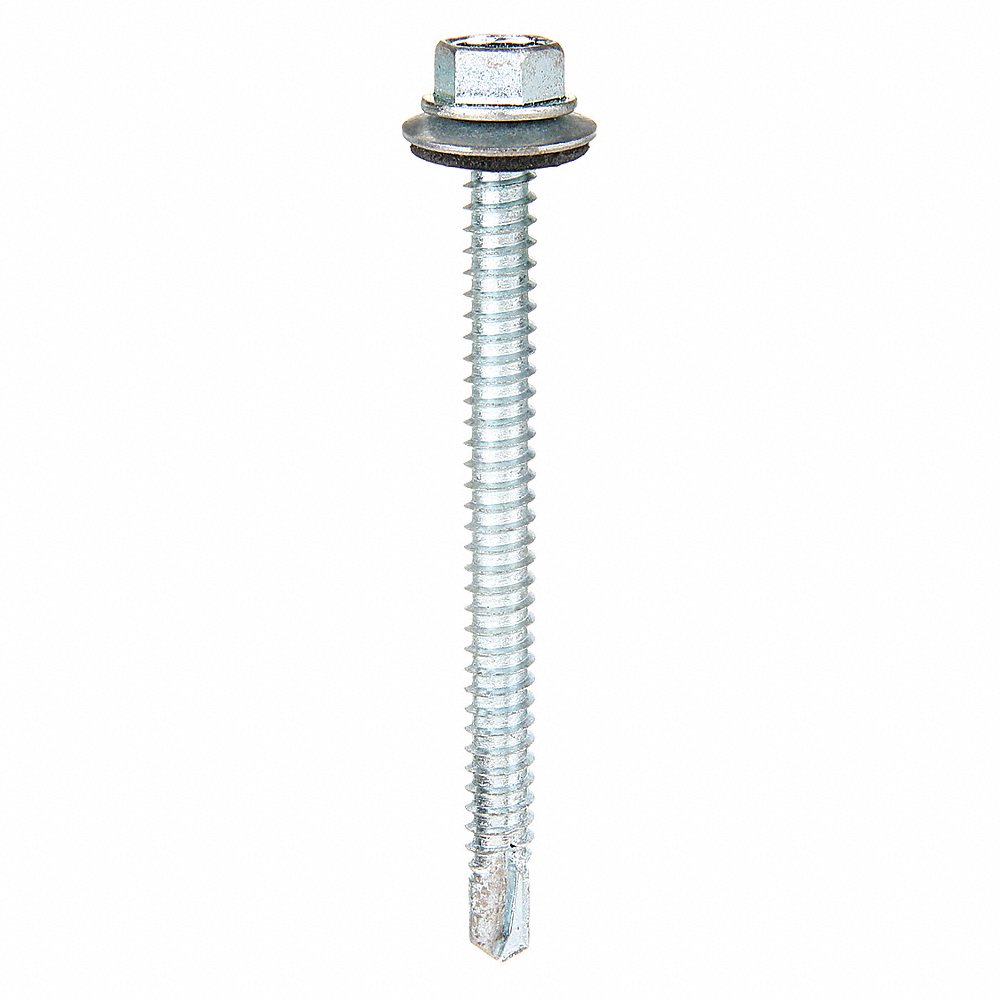
Self-drilling screws are used to drill & tap a hole and fasten together diverse materials like aluminium, sheet metal or wood, without a pilot hole. They typically feature a drill-shaped point, threadings and a hex washer head. Raptor Supplies offers wide range of Fabory self drilling screws, Grainger self drilling screws, Snap-Loc self drilling screws & Woodhead self drilling screws.
Features
<a href="/c/fasteners/c3/self-drilling-screws/teks">Teks Drilling Screws</a>:
- These Imperial screws have a flat hex washer, a pan or wafer type Philips head, internal hex and Robertson or square drive style for easy installation.
- The steel body is integrated with either Climaseal, Electro-Zinc or Gray Spex finish for preventing bending / breaking under heavy loads.
<a href="/c/fasteners/c3/self-drilling-screws/fabory">Fabory Self Drilling Screws</a>:
- They have plain stainless steel or zinc-plated hardened steel construction to prevent tarnishing.
- Selected hex headed self-drilling screws come with a neoprene washer to evenly distribute the load and provide a waterproof seal in roofing / outdoor applications.
Frequently Asked Questions
How do you install a self-drilling screw?
- Make sure that the drill is fitted with a hex adapter (alternative adapters may be selected depending on the screw head type).
- Mark the surface / board at the point where the screw needs to be drilled & fastened.
- Fix the screw on the hex adapter and drill through the material.
- The drill bit end of the screw will pierce through the material and the threadings (on its body) will create a tapped hole for secure attachment.
- You can easily remove the installed screw using a drill, screw extractor or other hand tools.
Are self-drilling screws and self-tapping screws the same?
Users should use self-drilling screws according to their most suitable applications and not interchangeably with self-tapping screws as that would result in a weaker joint between materials.

These cookies make our website work. They include logging personal details, like login/sign-up or account data, browser information, images & videos, and shopping cart journey.
In addition, we use optimization cookies to test new features and designs on our website. The information collected helps us improve our website and customers' experience.
These cookies are used to understand the performance and relevancy of our adverts, to provide you with personalised adverts on other websites and social media, to track when you have arrived at our site from a recognised third-party affiliate website, and to track if you made a purchase based on the adverts we displayed to you.
These cookies enable us to provide personalised product and content recommendations, to make the browsing experience more relevant to you.
These cookies are used to offer customer surveys and feedback, to improve search results, and to allow you to share content from our website on social media.
These cookies help us improve our website by collecting and reporting information on how you use it.

 ChatMRO
 - Conversational Commerce for Industrial Parts
Find products, send an RFQ or purchase online. All from an AI-powered chat interface!
Chat Now