

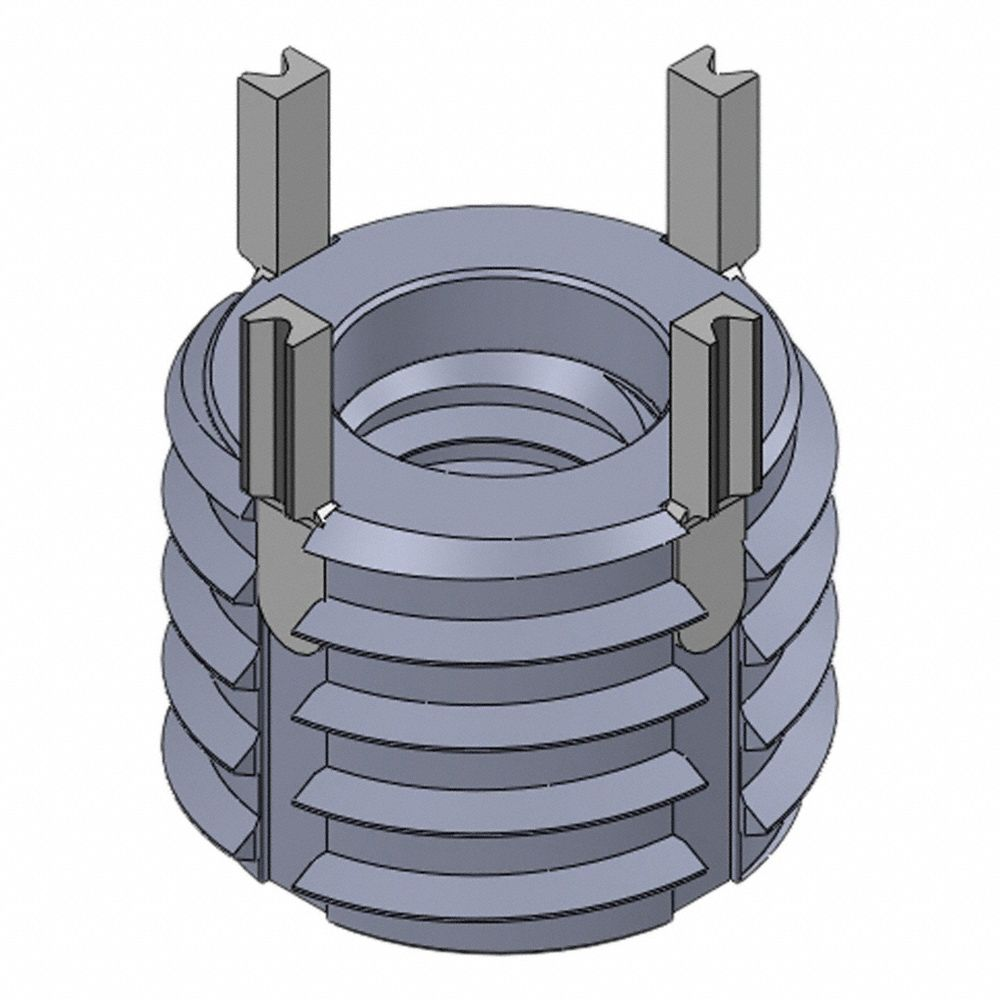
| Internal Thread Size | External Thread Size | Wall Type | Material | Finish | Thread Type | Grade | Pack Qty | Price | ||
|---|---|---|---|---|---|---|---|---|---|---|
5/8"-18 | 7/8"-14 | Heavy Wall | Stainless Steel | Plain | Coarse | - | 10 |
$447.64
| ||
3/4"-16 | 2 1/8"-12 | Heavy Wall | Stainless Steel | Plain | Coarse | - | 10 |
$657.36
| ||
7/8-"14 | 1 1/4"-12 | Heavy Wall | Stainless Steel | Plain | Coarse | - | 10 |
$974.61
| ||
1"-12 | 1 3/8"-12 | Heavy Wall | Stainless Steel | Plain | Coarse | - | 10 |
$1,105.00
| ||
M4 x 0.7 | M8 x 1.25 | Heavy Wall | Stainless Steel | Plain | Coarse | - | 10 |
$355.37
| ||
M5 x 0.8 | M10 x 1.25 | Heavy Wall | Stainless Steel | Plain | Coarse | - | 10 |
$273.91
| ||
M6 x 1 | M12 x 1.25 | Heavy Wall | Stainless Steel | Plain | Coarse | - | 10 |
$273.20
| ||
M8 x 1.25 | M14 x 1.5 | Heavy Wall | Stainless Steel | Plain | Coarse | - | 10 |
$296.99
| ||
M10 x 1.5 | M16 x 1.5 | Heavy Wall | Stainless Steel | Plain | Coarse | Grade 18-8 | 10 |
$367.99
| ||
M12 x 1.75 | M18 x 1.5 | Heavy Wall | Stainless Steel | Plain | Coarse | - | 10 |
$382.05
| ||
| Material | Price | |||||||||
|---|---|---|---|---|---|---|---|---|---|---|
Steel |
$200.54
| |||||||||
Steel |
$178.63
| |||||||||
Steel |
$189.84
| |||||||||
Steel |
$186.71
| |||||||||
Steel |
$193.24
| |||||||||
Steel |
$187.61
| |||||||||
Steel |
$189.84
| |||||||||
Steel |
$188.62
| |||||||||
Steel |
$187.61
| |||||||||
Steel |
$195.92
| |||||||||
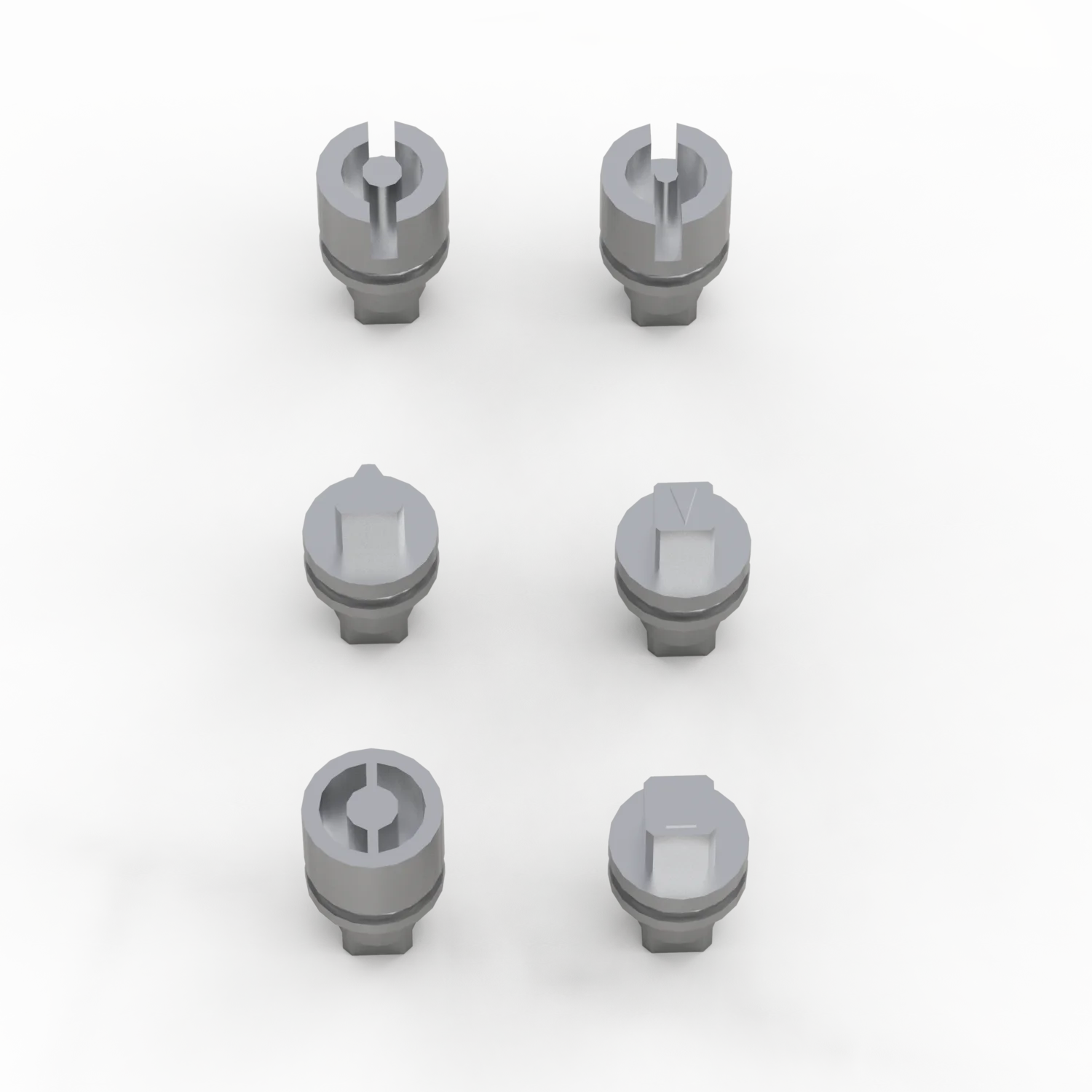
| MPN | Price |
|---|---|
LI503 |
RFQ
|
| MPN | Price |
|---|---|
LI505 |
RFQ
|
| MPN | Price |
|---|---|
LI523 |
RFQ
|
| MPN | Price |
|---|---|
LI524 |
RFQ
|
| MPN | Price |
|---|---|
LI526 |
RFQ
|
| MPN | Price |
|---|---|
LI527 |
RFQ
|
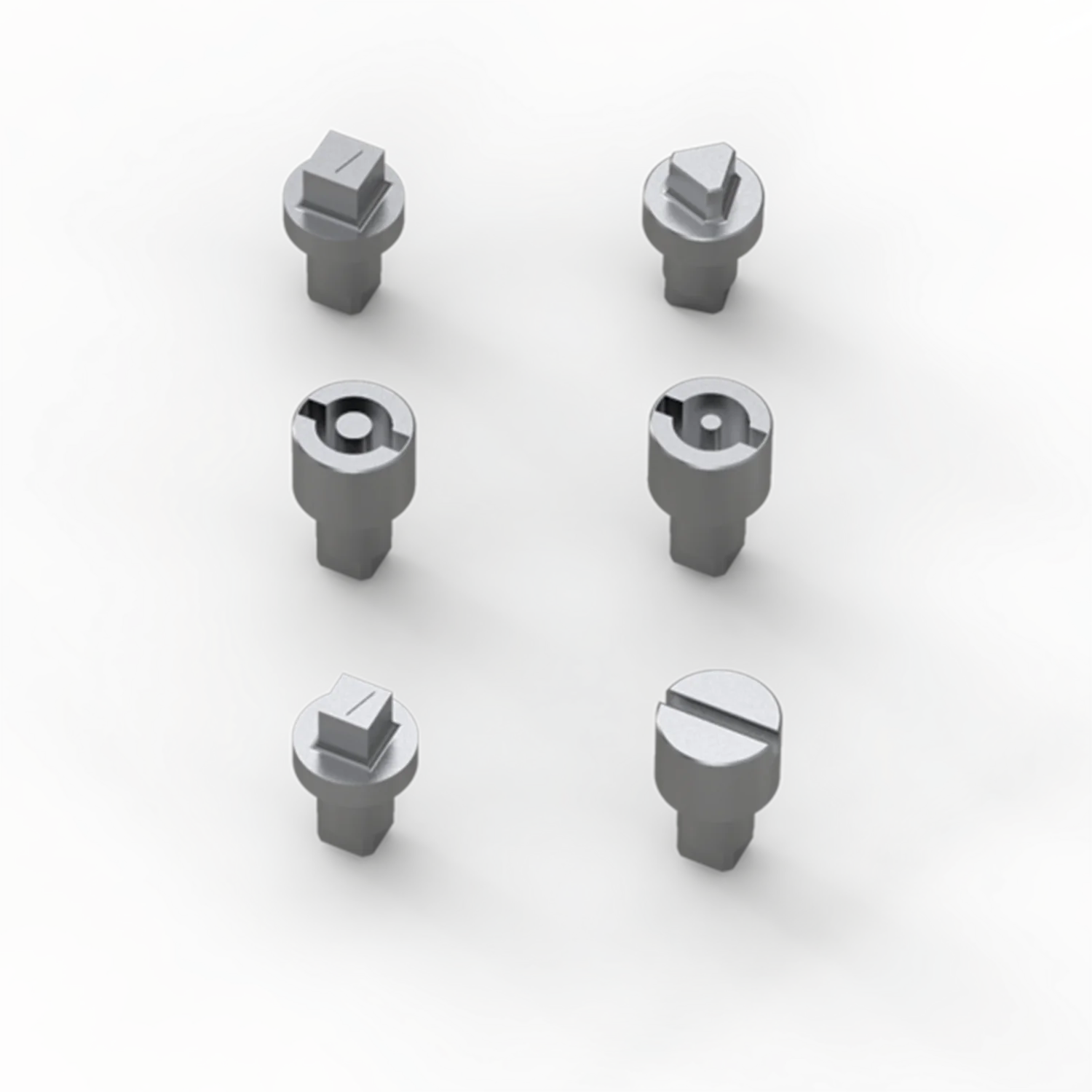
| MPN | Price |
|---|---|
ALIS528 |
RFQ
|
| MPN | Price |
|---|---|
ALIS503 |
RFQ
|
| MPN | Price |
|---|---|
ALIS505 |
RFQ
|
| MPN | Price |
|---|---|
ALIS523 |
RFQ
|
| MPN | Price |
|---|---|
ALIS525 |
RFQ
|
| MPN | Price |
|---|---|
ALIS524 |
RFQ
|
| MPN | Price |
|---|---|
LSSU530 |
RFQ
|
| MPN | Price |
|---|---|
LSSU528 |
RFQ
|
| MPN | Price |
|---|---|
LSSU529 |
RFQ
|
| MPN | Price |
|---|---|
LSSU5212132E |
RFQ
|
| MPN | Price |
|---|---|
LSSU5213121E |
RFQ
|
| MPN | Price |
|---|---|
LSSU521 |
RFQ
|
| MPN | Price |
|---|---|
LSSU523 |
RFQ
|
| MPN | Price |
|---|---|
LSSU524 |
RFQ
|
| MPN | Price |
|---|---|
LSSU526 |
RFQ
|
| MPN | Price |
|---|---|
LSSU527 |
RFQ
|
Description
Key locking inserts prevent rotation by using positive mechanical locks (locking keys). They are ideal for holes made of metallic materials to reinforce threads or repair stripped / damaged / worn-out threads. These units can be easily installed and removed using standard drills / hand / installation tools, without damaging the surfaces or materials. They provide more strength, versatility & resilient operation than traditional threaded holes for accommodating fasteners like screws, bolts & threaded rods.
Features
- Key locking inserts have 2 or 4 locking keys to hold them in place in applications involving metals (excluding cast iron or brittle materials).
- Inserts with greater internal thread have 4 locking keys whereas smaller inserts generally come with only 2 locking keys.
- They have high strength compared to other inserts, owing to their solid, one-piece construction (stainless steel or black phosphate steel).
- They offer a strong connection to the fastener while preventing wear, corrosion or over-torque.
- These inserts are available in UNC, UNF, UNS & Metric thread sizes, with lengths ranging from 0.31 to 1.37 inches (Imperial) & 8 to 16 mm (Metric).
Frequently Asked Questions
Q. How to choose the length of a key locking insert?
A. The insert should have a minimum length as that of the desired screw diameter. Users can also select inserts that have longer lengths for greater holding strength. The exact insert length can differ based on the application & the material. Materials like steel do not require long inserts, whereas applications with soft materials like aluminium might need a longer insert.
Q. How to install a key locking thread insert?
A.
- Drill a hole according to the required insert / screw / bolt length using the suggested drill bit size.
- Thread the drilled hole using a tap and wind the insert into the hole.
- Drive the key into the material for a secure hold, using the installation tool & a hammer.
Q. How to remove key locking inserts once installed?
A.
- Drill the insert to the appropriate size & depth.
- Bend and break off the keys.
- Remove the insert from the hole by using a screw extractor or similar tool.
- Install a replacement key-locking insert into the original hole.
Q. What is the difference between key locking inserts and thread locking inserts?
A. Key locking inserts use distorted internal threads & / or locking keys to form the strongest hold of all threaded inserts and secure screws & inserts in place. On the other hand, thread locking inserts use adhesives that reach full strength after some time, for keeping inserts in place.
Q. What are the advantages of a key locking insert over a helical threaded insert?
A. Helical threaded inserts usually have a tang or piece of material that acts as a catch point for the installation tool. When the tang is broken off during installation, it can end up loose inside the application and cause short-circuiting or other malfunctions. There is no such danger with key locking inserts, making them a safer solution.
Explore More
- ASG JERGENS
- TOTELINE
- KEYSHAFT
- Full Face Respirators
- Depressed Center Wheels
- Retaining Rings
- C Clamps
- Counters
- PARKER Brass Plug Valves, 250 PSIG Operating Pressure
- SSI Gauges
- DIXON Tuff-Lite Fittings, Hose Shank x Male NPT Inserts
- LEGRIS Pipe Fittings
- DESTACO 385-L Series Pull Action Latch Clamps
- VIBCO FBS Series Pneumatic Turbine Vibrators
- ANSELL 40-400 Edge Blue White Nitrile Coated Gloves
- ANSELL Comarex Natural Rubber Latex Gloves
- IRONCLAD Box Handler Industrial Grip Gloves

 ChatMRO